We accept Canadian & US School POs·Domestic Shipping·Ships across Canada & the US·Teacher-reviewed classroom technology·We accept Canadian & US School POs·Domestic Shipping·Ships across Canada & the US·Teacher-reviewed classroom technology·
The store will not work correctly when cookies are disabled.
Creality: Fostering 3D Modeling and Technical Skills in Education
Modern learning involves more than reading books and listening to
lectures. Students can also create, experiment, design, and turn their
ideas into real projects. 3D printing technology gives learners the
opportunity to transform digital concepts into physical models,
helping them better understand design, engineering, and manufacturing
processes.
Through hands-on activities, students can develop practical skills,
explore creative ideas, and gain a better understanding of how
technology can be used to solve real-world problems.
How Creality 3D Printers Support Modern Education
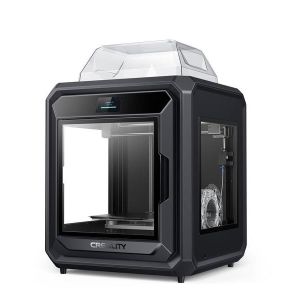
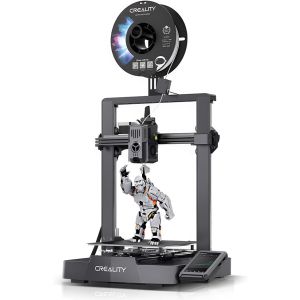
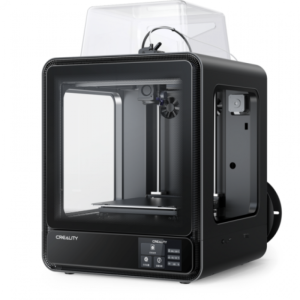
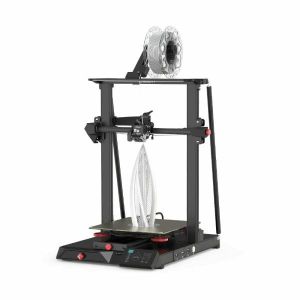
Creality 3D printers can help schools introduce
hands-on learning activities in design, technology, engineering, and
other STEM subjects. Students can create prototypes, experiment with
different shapes, and explore the development process from an initial
concept to a finished physical model.
Creality solutions can be useful for educational institutions looking
for equipment to support creative and technical projects. Teachers can
use 3D printing activities to encourage creativity, attention to
detail, critical thinking, and problem-solving skills.
Canadian Classroom provides innovative educational
equipment that can help schools integrate modern technology and
hands-on learning into their STEM programs.
How Creality Canada and 3D Printing Tools Enhance Learning in Schools
Using 3D printers for schools can create new
opportunities for project-based and hands-on learning. Students can
develop models based on their own designs, explore structural concepts,
and see how digital ideas can be transformed into physical objects.
3D printing technology can be incorporated into a variety of subjects,
including technology, mathematics, engineering, design, and the natural
sciences. A 3D printer for teachers can also be used
to prepare demonstration materials and support interactive classroom
projects.
By combining digital design with physical creation, students can gain
practical experience with modern tools while developing a stronger
understanding of technical and creative concepts.
Key Benefits of Using 3D Printing in Education
Supports the development of creative and engineering skills.
Provides opportunities for hands-on technological learning.
Allows students to create personalized educational projects.
Can increase interest in STEM subjects and technology.
Helps students develop experience using modern digital tools.
Supports project-based learning and creative problem-solving.
Supporting Hands-On STEM and Project-Based Learning
3D printing can help make STEM education more interactive by allowing
students to design, test, improve, and create physical models. This
process encourages learners to think critically about their ideas and
explore different approaches to solving problems.
Students can work independently or collaboratively to develop projects,
making 3D printing a useful tool for classroom activities, makerspaces,
engineering programs, and other hands-on learning environments.
Frequently Asked Questions About 3D Printers in Education
What is an education 3D printer used for?
An education 3D printer can help schools create hands-on
learning opportunities in technology, design, engineering, and
STEM subjects. Students can create models, explore the design
process, and apply knowledge from different areas of study to
practical projects.
Why choose a 3D printer for classroom projects?
A 3D printer can support interactive and project-based lessons
where students actively participate in the design and creation
process. These activities can encourage independence, teamwork,
creativity, and an interest in innovation and technology.
How does a 3D printer for students support learning?
A 3D printer for students allows learners to bring their ideas
to life by designing and creating their own projects. This
hands-on experience can help build confidence, technical skills,
creative thinking, and an understanding of modern design and
manufacturing processes.